When to Replace Your Roof in Dallas: Why Waiting Until After Hail Season Pays Off
By Chris Arrington
President, Arrington Roofing | President, North Texas Roofing Contractors Association (2026)
This past weekend I sat down with Jim Dutton on Texas Home Improvement Radio after another rough week across DFW — tornadoes near Weatherford and Godley, hail through the metro, and the phones at our shop ringing off the hook. The conversation kept circling back to one piece of advice I find myself giving more than any other this time of year, and it's the opposite of what most homeowners expect to hear: if your Dallas roof needs replacing because of a spring storm, the smartest move is usually to wait. Not until next year. Just until hail season is on its way out. This post walks through why that timing matters, what the new FM 4475 "very severe hail" certification means for the next roof you put on, and how a fortified roof system fits into the picture for a North Texas home.
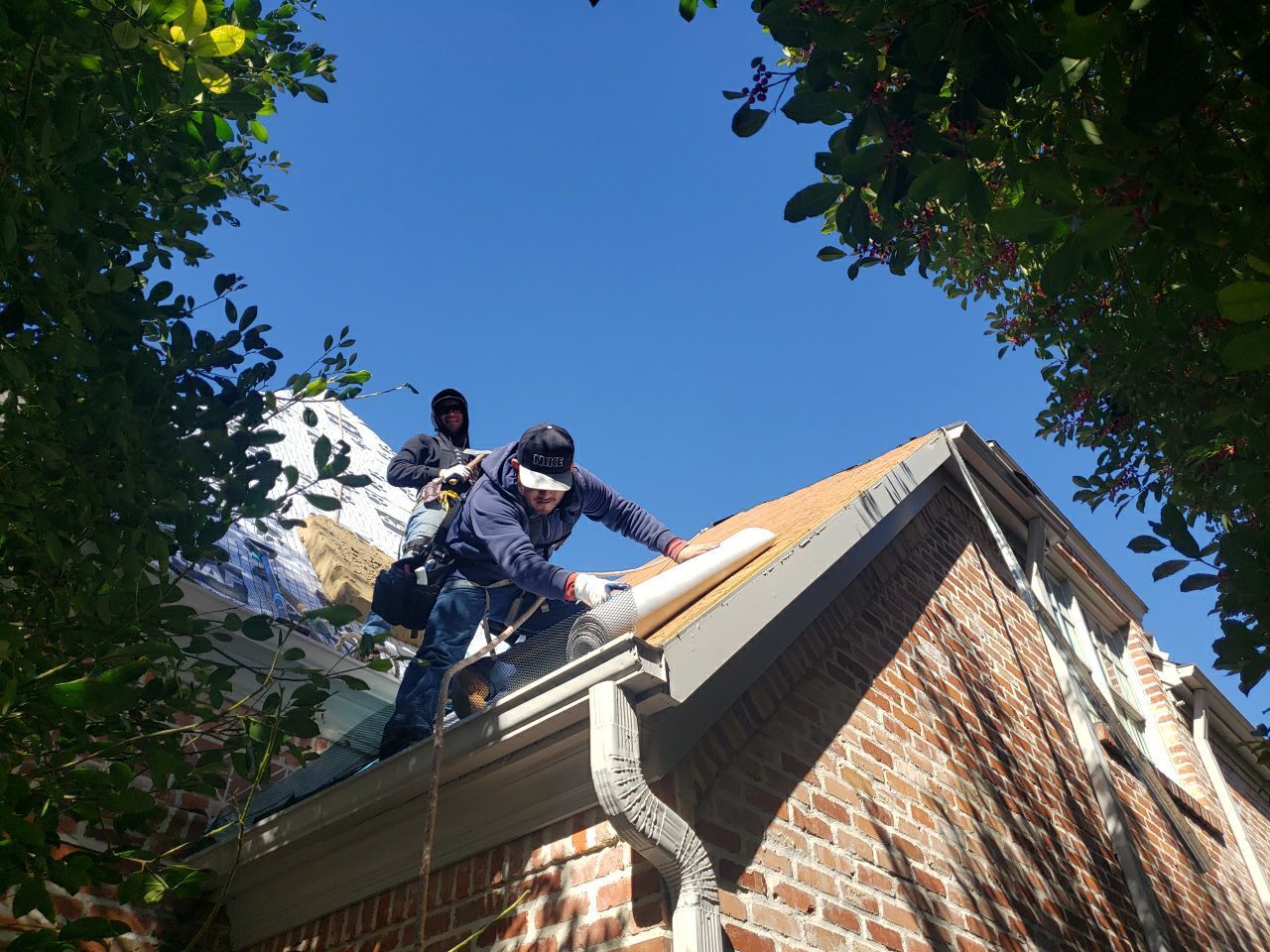
Why Does It Pay to Wait Until After Hail Season to Replace a Dallas Roof?
Spring in North Texas runs from roughly mid-March through late June, and that window is when the metro takes on most of its annual hail risk. Cotality's 2026 Severe Convective Storm Risk Report named Dallas-Fort Worth as one of the U.S. metros with the sharpest recent increases in hail losses, and most of those losses cluster inside that few-month band. The math behind waiting is simple: if you replace your roof on April 15 and another storm hits on May 20, you may be filing a second claim on a roof that's been on your house for five weeks. We've actually had that happen — a homeowner had us reroof, and two weeks later a second storm came through and we ended up tearing it back off.
Filing a second claim isn't free, even when it's covered. It resets the clock on your deductible, counts against your loss history with the carrier, and the deductible itself has likely climbed since the last time you needed one. Wind and hail deductibles in Texas have moved from the flat-dollar amounts common a decade ago — $250, $500, $1,000 — toward percentage deductibles that can land between 1% and 5% of dwelling coverage. On a typical Dallas home, that can mean a $10,000 to $15,000 out-of-pocket cost before the claim pays a dollar. Our longer post on the rise of premiums and deductibles for Texas homeowners covers why that number has climbed.
The practical play is to stabilize the roof now and replace it later. If hail came through and the roof is leaking, you don't sit and wait — call us, and we tarp and patch the affected sections before the next significant rainfall. Most Texas policies require the homeowner to mitigate further damage as a condition of coverage, so a temporary patch often isn't optional. But the full roof replacement can usually wait until mid-to-late summer, when the next-storm risk drops sharply. That sequence — stabilize first, replace later — is the one I find homeowners most often regret skipping.
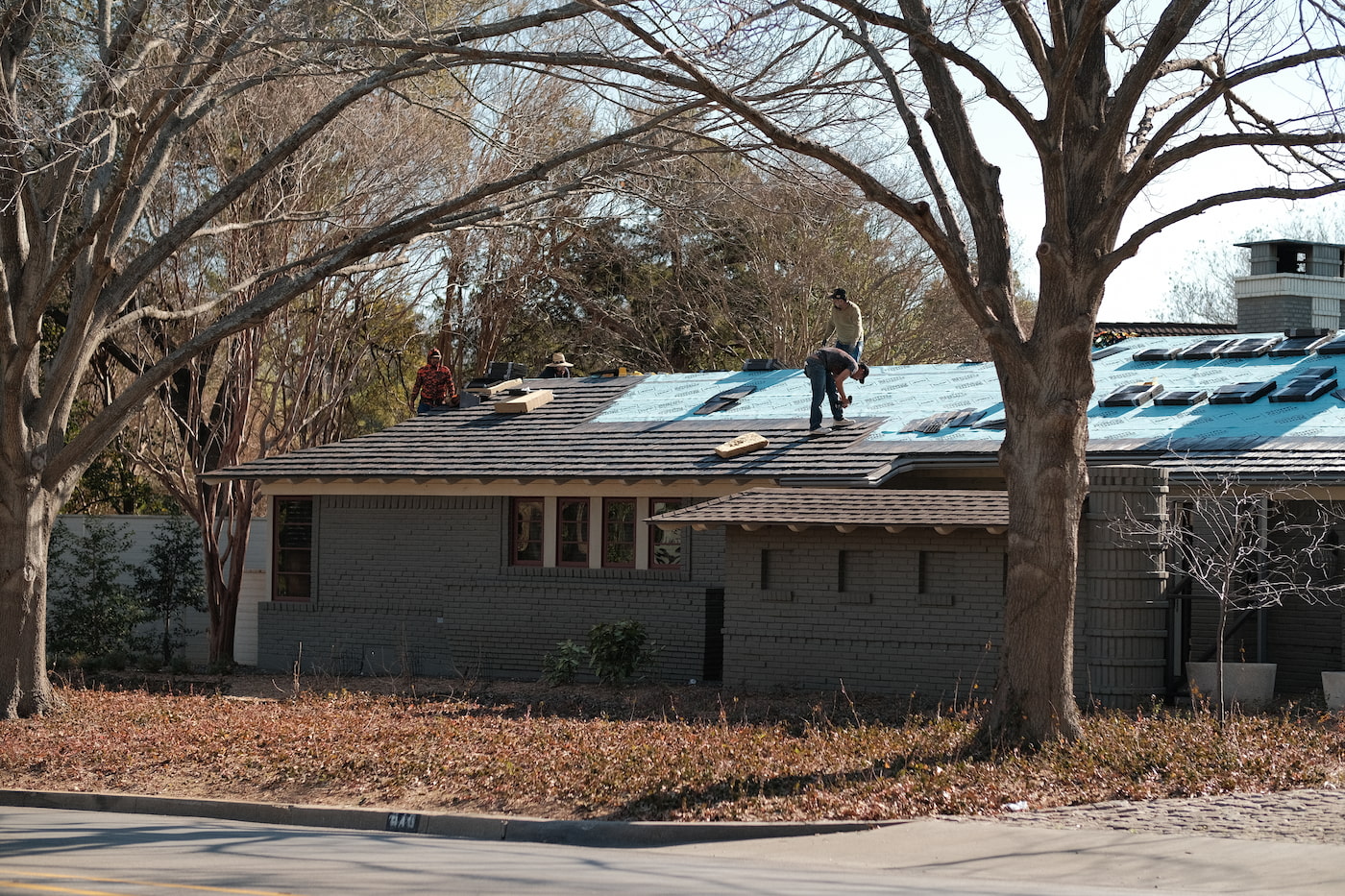
What Is the New FM 4475 "Very Severe Hail" Certification — and Why Should Dallas Homeowners Care?
For years, the highest impact rating a residential shingle could earn was UL 2218 Class 4 — the test where a 2-inch steel ball is dropped onto the shingle from 20 feet up. Class 4 has been the gold standard for hail country, and most insurance carriers in Texas offer a premium credit for installing one. But Class 4 is the ceiling of the residential testing system. The commercial side has a more punishing test — FM Approvals' very severe hail standard, FM 4475 — where a 2-inch ice ball is fired from a pneumatic cannon at the panel at roughly 150 feet per second. Until recently, it had no residential equivalent.
That just changed. F-Wave's RevIA synthetic shingle has now passed FM 4475 — the first residential shingle to do so. It's a polymer-based shingle engineered from the same TPO formulation we've used on commercial roofs for years, manufactured at roughly twenty times the thickness because it's a shingle rather than a membrane. Functionally, it stands up to a 2-inch ice ball at 150 feet per second without surface damage. We've been installing F-Wave on Dallas homes for several years already, both because of the Class 4 rating and because it weathers North Texas summers better than most asphalt options. Insurance companies pay close attention to FM Approvals testing, and a residential product that meets the commercial-grade hail standard sits in a category by itself right now.
For most homeowners, the practical impact is twofold. If you're already weighing a synthetic shingle for your next replacement, the new certification reinforces that case — the same product you were considering now carries a stronger third-party impact credential. And it changes the long-term deductible math: if a roof can ride out the storms that end a Class 4 shingle's life early, the case for spending more upfront and replacing less often gets clearer. Our F-Wave cost analysis walks through that ROI in detail, and our synthetic roofing guide for North Texas covers how synthetic compares to asphalt, metal, and tile. You can also review the synthetic roofing options we install across DFW.
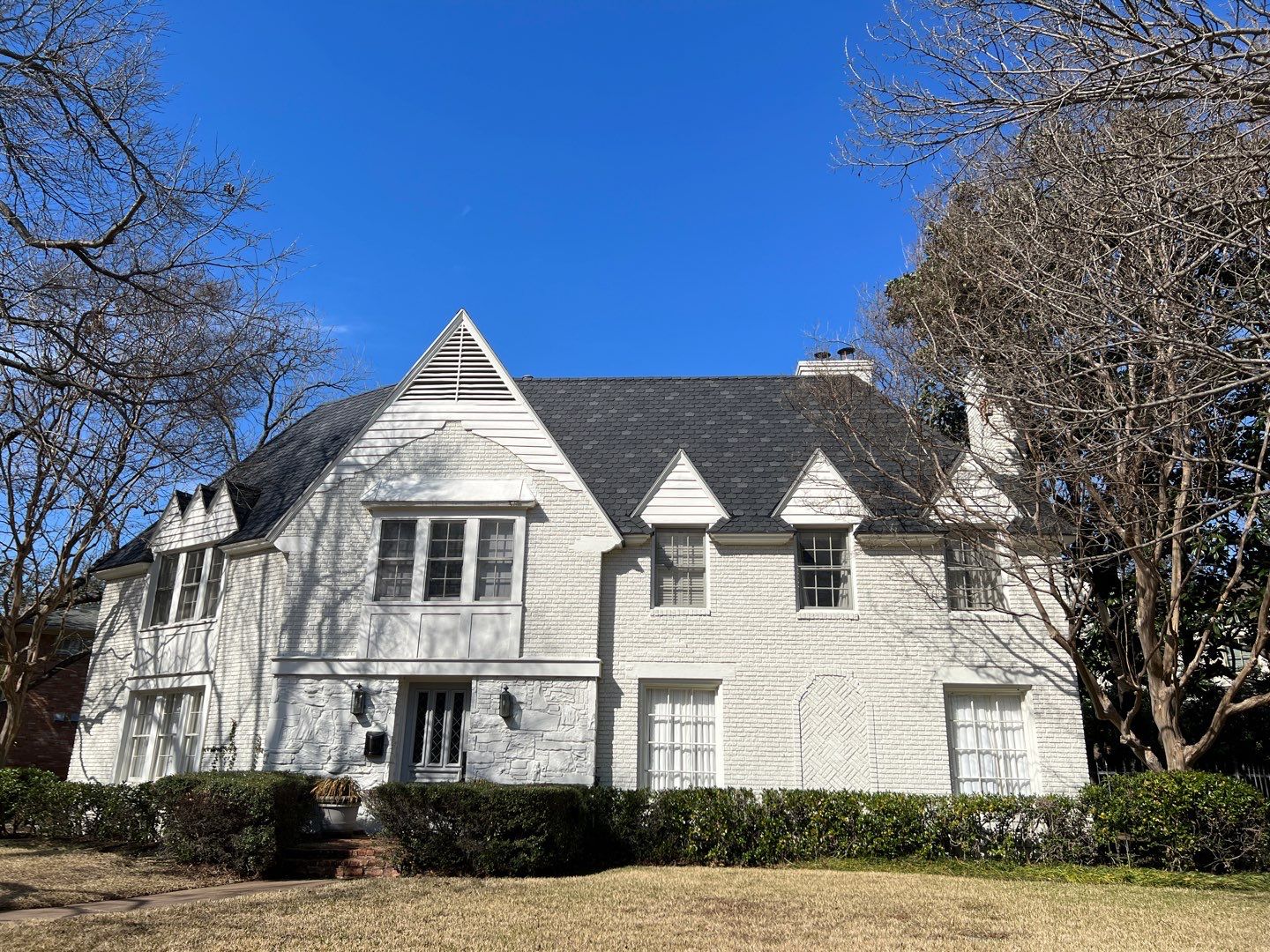
What Is a Fortified Roof, and What Does It Actually Do in a Texas Storm?
"Fortified" is a building-standard designation developed by the Insurance Institute for Business & Home Safety (IBHS), originally written around Florida hurricane codes and now spreading across the country as carriers look for ways to reduce loss exposure. The non-technical version: a Fortified roof upgrades every layer of the system so the roof is harder to peel off in high wind, and so that if the outermost layer does come off, the layers underneath keep water out of your home.
The specifics matter because each one addresses a real failure mode we see in North Texas. Roof decking has to be attached with ring-shank nails on a tighter pattern than standard code, so the deck itself doesn't lift off the rafters. The seams between deck panels are sealed with a self-adhered peel-and-stick membrane, so that if shingles and underlayment do fail, water can't drain through the joints into the attic. The underlayment is fastened more securely. The shingles themselves get more nails per shingle and a tighter perimeter detail, because storm wind almost always peels a roof from the edge inward — think of pulling a fitted sheet off a mattress.
North Texas isn't Florida, but we are firmly in Tornado Alley. The tornado that touched down near Weatherford last week is a reminder that hurricane-grade wind events happen here too, just on a more compressed timeline. A Fortified roof system is meaningful for the same reason a Class 4 or FM 4475 shingle is — it shifts the probability that a single storm becomes a full-scope loss involving floors, walls, paint, and contents. Carriers care about that, and a few are beginning to recognize Fortified construction in their underwriting. We're certified to install Fortified roof systems and can walk through whether your home and policy are a good fit during the inspection.
How Can a Dallas Homeowner Avoid Storm-Chaser Roofers This Season?
Every spring we get the same call: someone knocked on the door, said the roof had visible damage, and offered to "handle the deductible." Waiving a homeowner's deductible is insurance fraud under Texas law — both the contractor and the homeowner are legally exposed when it happens. The door-knock model itself is a symptom of a deeper issue: out-of-town crews work the metro on the heels of a storm, file a high volume of claims, work fast, and are usually three states away by the time a workmanship issue surfaces a year later.
The simplest filter is verifiable local presence. Look up the company's office address — if it's a residence or a virtual mailbox, that's a flag. Confirm membership in the North Texas Roofing Contractors Association (NTRCA) — full disclosure, I'm the current president of NTRCA, and the membership is a meaningful signal because the association sets ethical and quality standards its members agree to. The other strong signals are manufacturer certifications that take years to earn (GAF Master Elite, CertainTeed Select ShingleMaster, F-Wave Certified) and a verifiable BBB record. Our longer guide on how to choose the right Dallas roofing contractor covers the full checklist, and the recent post on why your first call after hail should be a roofer, not an adjuster is the natural companion to this one.
Frequently Asked Questions About Roof Replacement Timing in Dallas
How long can I safely wait to replace a hail-damaged roof in Dallas?
If the roof is leaking, you can't wait — call us and we'll stabilize it before the next significant rainfall. If the roof is impact-damaged but watertight, most homeowners can comfortably wait through the rest of hail season and replace in mid-to-late summer, when the next-storm risk drops sharply. Texas insurance code generally allows one year from the date of loss to file a claim, but most policies have shorter notice requirements written in — sometimes 30 to 60 days — so the inspection and claim filing should happen quickly even when the actual replacement is scheduled later.
Will my insurance company pay for a temporary tarp or patch while I wait to replace the roof?
In most cases, yes. Mitigation costs — tarping, sealing, emergency patching — are typically reimbursable as part of the claim, because most Texas policies require the homeowner to take reasonable steps to prevent further damage. We document the stabilization work and submit it as part of the claim scope. Whether it's reimbursed depends on the specific policy language, so it's worth confirming with your carrier before the work happens.
Is the new FM 4475 F-Wave shingle covered by Texas insurance discounts the way Class 4 is?
The Class 4 (UL 2218) impact discount is well-established in Texas — most major carriers offer a premium credit for it, and F-Wave already qualifies as a Class 4 product. The FM 4475 designation is newer, and how individual carriers will recognize it on the residential side is still being worked out. As of May 2026, the Class 4 discount is the line item to ask your carrier about; the FM 4475 rating is a stronger underlying credential that may produce additional underwriting consideration over time.
Does a Fortified roof cost more than a standard roof?
Yes — the upgraded fasteners, sealed deck seams, and tighter perimeter details add material and labor cost compared to a standard reroof. The investment ranges depending on roof size and complexity, and it's most worth running the math on if you're already in the replacement window or if your home sits in a high-exposure pocket of the metro. We can walk through whether a Fortified system is a fit during the inspection.
How do I know if a roofer knocking on my door is legitimate?
Three quick checks: ask for the office address and confirm it's a real commercial location, not a residence or PO box; verify NTRCA membership and BBB accreditation; and refuse any offer to waive or absorb your deductible — that practice is illegal in Texas and exposes both parties. A reputable Dallas roofer will encourage you to verify their record, not pressure you to sign on the spot.
If the past few weeks have you weighing a roof replacement, the most useful next step is a free written inspection — not a contract. We'll document what's there, give you the report in writing, and walk through whether waiting, repairing, or replacing makes the most sense for your home and your policy. Request a free inspection or call (214) 698-8443. You can read more about our Dallas roots since 1983 or listen to our Building Dallas podcast for more conversations like this one.
About the Author
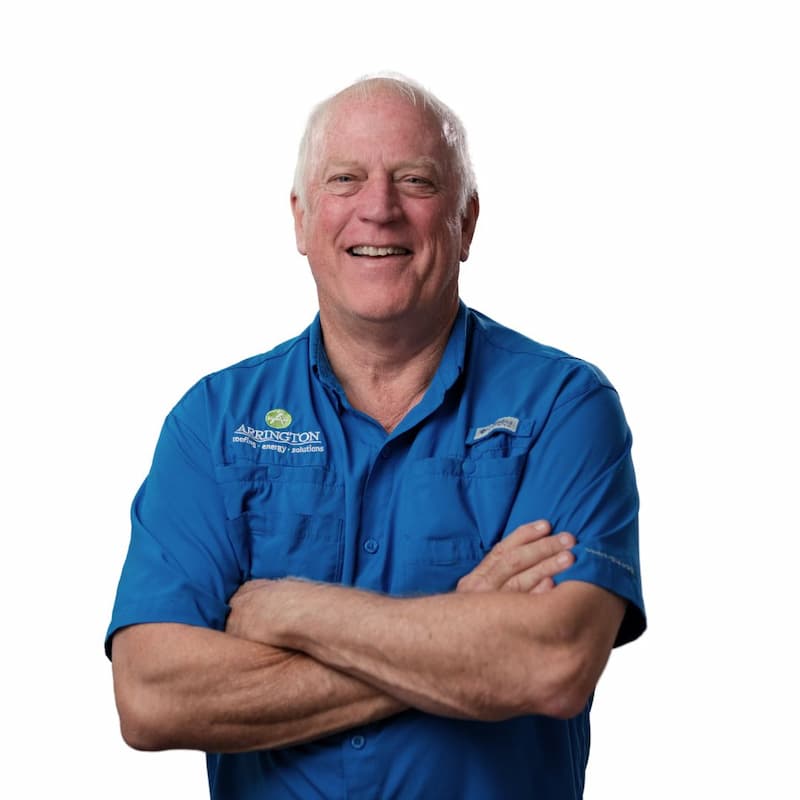
Chris Arrington is the owner and president of Arrington Roofing, a Dallas-based residential and commercial roofing contractor he founded in 1983. He's served homeowners and property owners across the DFW metro for more than 43 years and currently serves as the 2026 president of the North Texas Roofing Contractors Association. He's a regular guest on Texas Home Improvement Radio with Jim Dutton, where he discusses storm preparation, insurance navigation, and roofing best practices for North Texas homeowners. Arrington Roofing is a GAF Master Elite contractor, CertainTeed Select ShingleMaster, F-Wave Certified, Fortified Certified Roofer, and BBB A+ accredited since 1995.
If a recent storm has you weighing your options, request a free roof inspection or call (214) 698-8443. Our HAAG-certified team has been inspecting and replacing hail-damaged roofs across Dallas since 1983.