10 Factors That Affect the Price of a New Roof in Dallas-Fort Worth
By Reese Arrington, Sales & Marketing Manager, Arrington Roofing
If you've gathered two or three roof quotes in the Dallas-Fort Worth area, you've probably noticed they don't agree. One contractor says one number, another says another, and the bids can be thousands apart for what looks like the same job. That isn't always a sign that someone is overcharging, and it isn't always a sign that someone is the bargain. A roof is a custom build on top of a custom house, and a long list of variables decides what a new roof actually costs. We've been replacing residential and commercial roofs across DFW since 1983, and these are the ten factors that move the price more than anything else, in plain language.
What Really Drives the Cost of a New Roof?
Two factors move the bid more than anything else. Get clarity on these and the rest of the line items make a lot more sense.
1. Material Type.
One of the top two most significant cost factors is the type of material you choose to install. Asphalt shingles carry the lowest upfront cost of the major options and remain the most common choice across DFW, but they also have the shortest service life. Products like metal, tile, and synthetics carry much higher upfront costs, but typically last two to three times as long. North Texas weather plays into this decision in a real way. The Dallas-Fort Worth metro is one of the most hail-exposed corridors in the country — Cotality's 2026 Severe Convective Storm Risk Report singled out DFW and San Antonio as the metros with the sharpest recent increases in hail losses. A Class 4 impact-rated material can stand up to that environment far better than a basic three-tab shingle, and many Texas homeowners' insurance policies offer a premium discount for installing one. Our synthetic roofing guide for North Texas walks through the durability tradeoffs in detail.
2. Size of Project.
The other major determining factor of roof price is the size of the home. Larger homes require more material and more labor to complete, and that scales across every line of the bid — underlayment, fasteners, flashing, drip edge, and the crew hours to install it all. The same logic applies on the commercial side: a 6,000-square-foot retail space has a fundamentally different bid sheet than a 60,000-square-foot warehouse. If you're scoping a residential roof replacement, the square footage and roof system together are the first conversation we'll have with you.
How Does Your Home's Shape Change the Price?
Two homes the same size on the same block can have noticeably different roof costs, and it usually comes down to four things: pitch, height, ventilation, and how cut up the roofline is.
3. Slope.
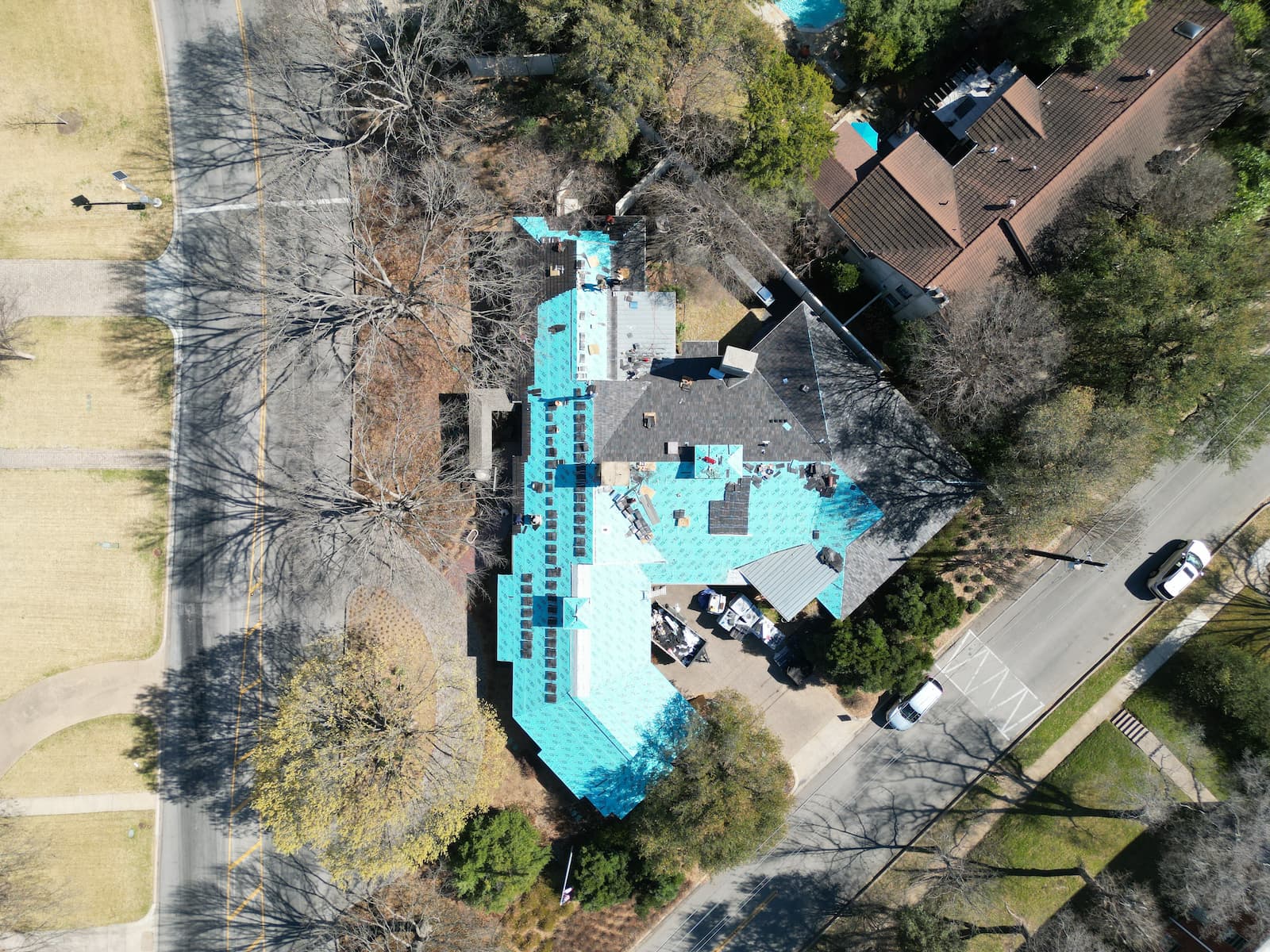
In some instances two homes may be the same size but have very different roof replacement costs. This is due to the slope, or pitch, of the roof. A 3,000-square-foot home with a relatively low pitch requires much less material than a 3,000-square-foot home with a very steep pitch — the steeper roof has more actual surface area to cover even though the footprint is identical. There are also safety costs associated with working on steep roofs. Anything above a 6:12 pitch typically requires fall-arrest systems and slows the crew down, both of which show up in the labor line. A lot of newer DFW production homes — especially in places like Frisco, Plano, and Prosper — use steeper, more architectural roof designs, while older Oak Cliff and Lake Highlands ranches tend to run flatter.
4. Number of Stories.
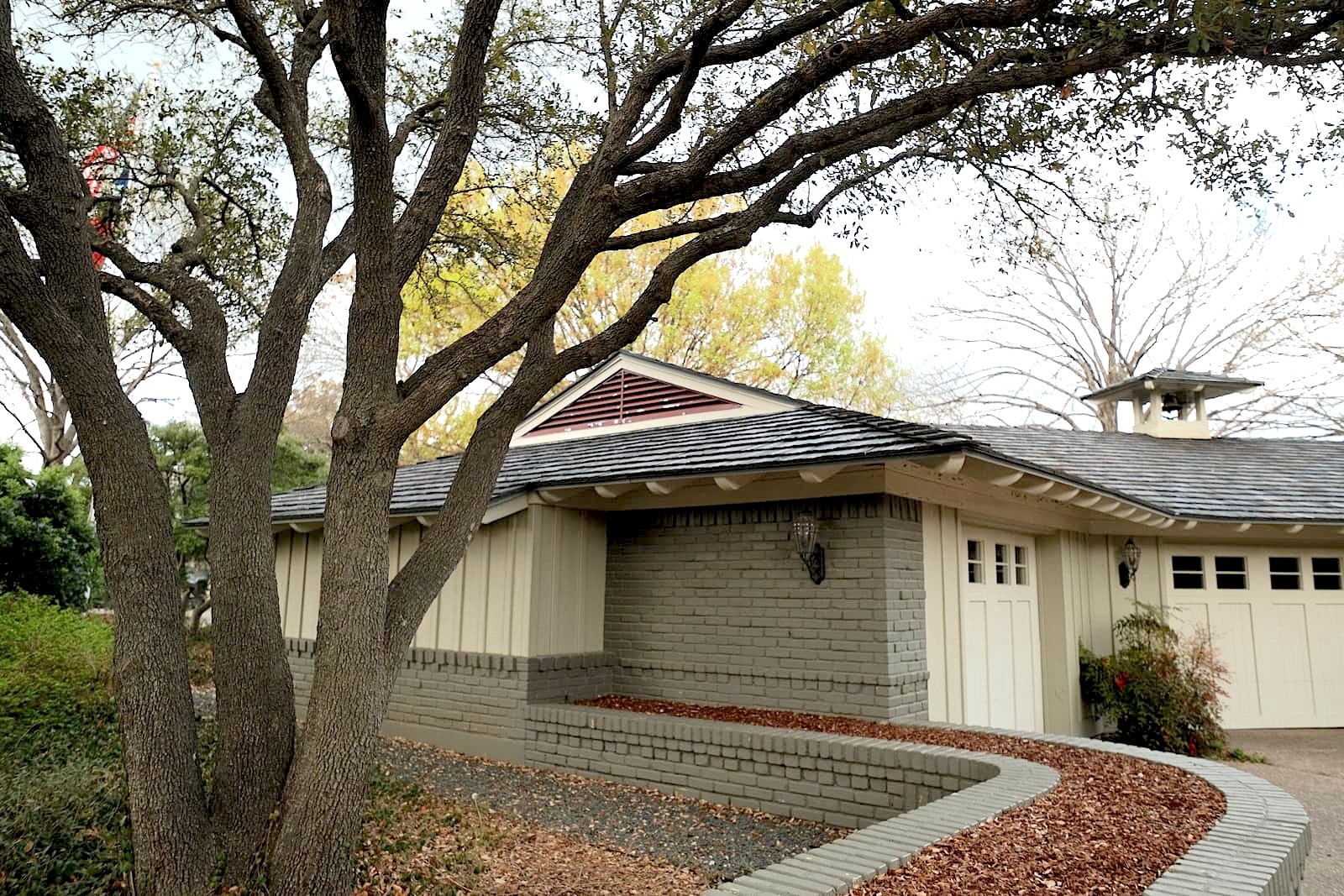
Two- or three-story homes are more difficult to access, take longer to complete, and present additional safety concerns. These factors can add cost to the overall project. Equipment changes too — taller homes mean longer ladders, sometimes lift rentals, and more material staging on the roof itself rather than the ground. None of that is unusual, but it's worth knowing why a two-story bid will run higher than a single-story bid on a comparable square footage.
5. Ventilation Needs.
The size of the attic determines how much Net Free Area (NFA) of ventilation you will need. More ventilation means more material and more installation labor, which drives up costs. This does not always correlate with home size — high square-footage multi-story properties may require less ventilation than smaller ranch-style homes with bigger attic volumes. The standard most contractors design to is the International Residential Code requirement of one square foot of NFA per 150 square feet of attic space, or 1:300 with a balanced intake-and-exhaust setup and a vapor retarder. In a Dallas summer, a poorly ventilated attic can run dramatically hotter than the outside air, and that heat shortens the life of asphalt shingles from underneath. Our attic ventilation page covers what a balanced system actually looks like.
6. Complexity.
Side walls, valleys, and protrusions such as chimneys, skylights, and pipe boots require more flashing details and overlapping materials. Roof design can play a major role in how much you may need to spend. A simple gable roof with no penetrations is one job; a custom Preston Hollow or Highland Park home with multiple dormers, valleys, and architectural features is a different one. Every flashing detail is a place where water has to be redirected correctly, and the materials and labor to do that well add up.
What's Underneath the Shingles — and What's Behind the Bid?
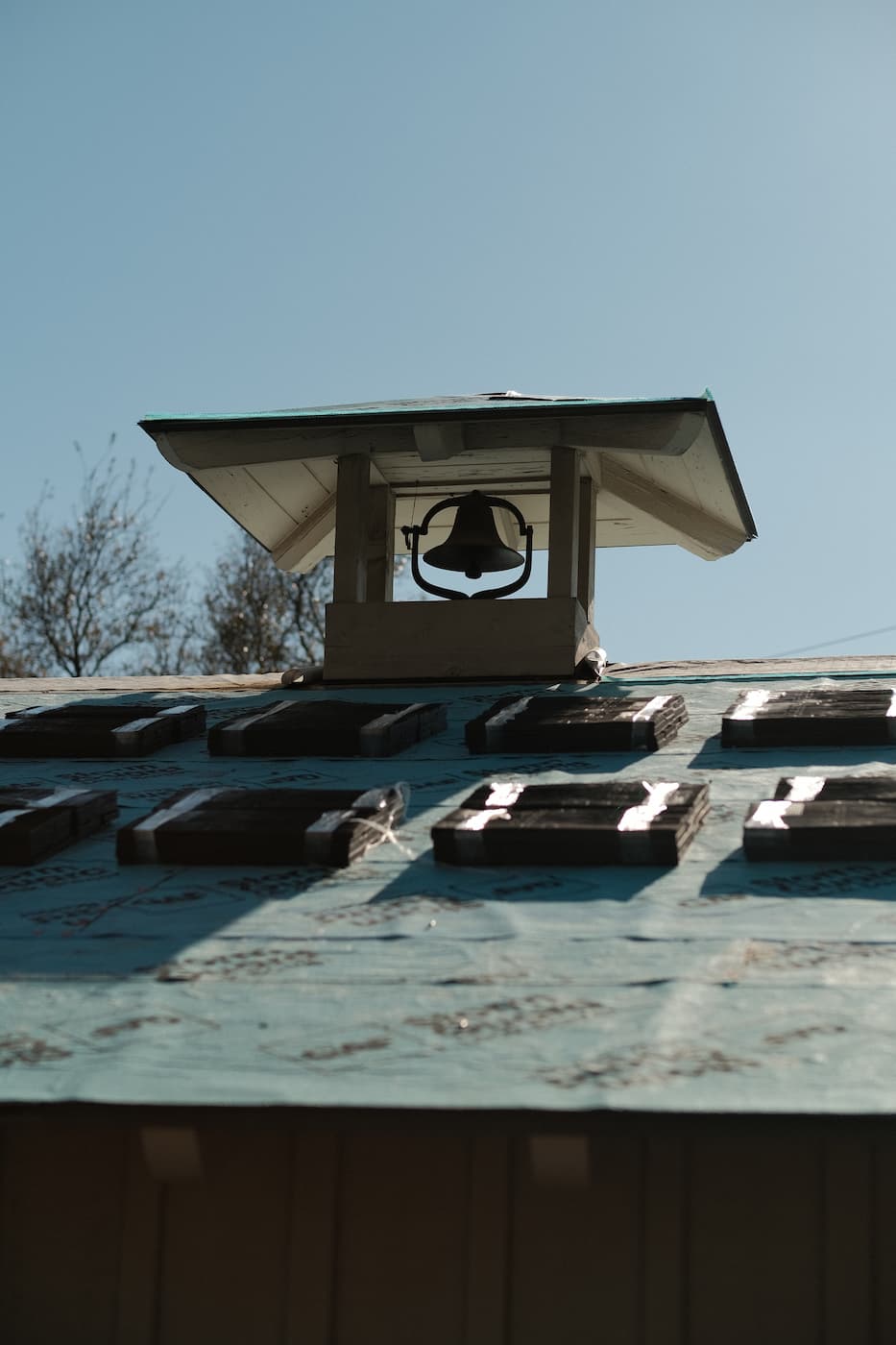
The last four factors are the ones homeowners often don't see until something comes up. They matter just as much as the visible ones.
7. Warranties.
Manufacturers allow certain premier contractors to offer warranties that cover not only material but also the contractor's labor. They also extend or eliminate the prorated aspects of a typical product warranty. A standard shingle warranty might cover the material itself for a set period and then prorate down — useful, but limited. A premier-contractor warranty backed by a major manufacturer covers the workmanship as well, which is often where claims actually come from. Arrington Roofing is a GAF Master Elite contractor and a CertainTeed Select ShingleMaster — both designations require credentials and ongoing standards that most contractors never reach. That changes which warranty options are available to you.
8. Deck Condition.
Most of the time full deck replacements are not necessary, but sometimes if the deck is not nailable or has extensive rot or installation deficiencies, it may need to be replaced. This can add significant cost to the project. We don't know what the deck looks like until the existing roof comes off, which is why a careful contractor either includes a per-sheet replacement price in the bid or flags it clearly as a contingency. Older Dallas homes — especially pre-1970s construction in neighborhoods like Oak Cliff and East Dallas — sometimes have plank decking that doesn't hold modern fasteners well. Newer homes typically have OSB or plywood decking, which holds up better but still has limits.
9. Existing Layers of Product.
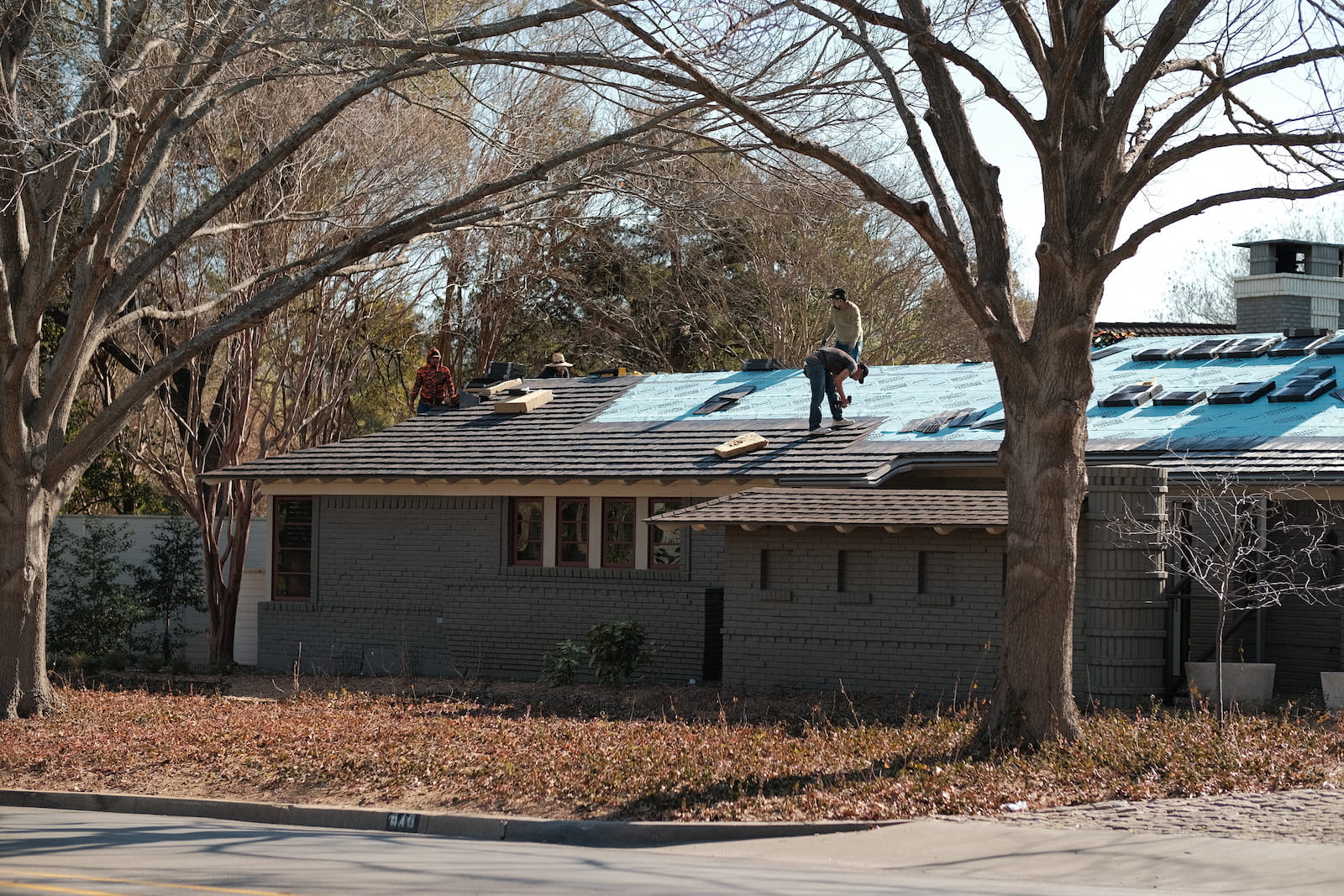
We never install new products over existing shingles or underlayment — the best practice is to remove all coverings down to the deck. But we often find roofs that have 2 or even 3 layers of product. This requires additional labor expenses and dump fees. Beyond the cost question, putting new materials over old layers traps heat against the deck, accelerates degradation, and can void manufacturer warranties. A full tear-off lets the crew see what's underneath and gives the new roof its full expected lifespan.
10. Overhead.
While excessive overhead can be detrimental to a business, it isn't necessarily a bad thing. Owning office space, employing staff, and investing into communication and organizational systems are symptoms of a healthy company, not an overpriced one. The U.S. Bureau of Labor Statistics tracks construction-business survival closely: roughly 40% of construction companies fail within five years, and the U.S. Department of Commerce has reported that up to 96% don't make it to year ten — the highest failure rate of any industry. That churn often comes from pricing incorrectly to win jobs, which leads to understaffing, poor customer service, unfulfilled warranty promises, and in the worst cases, shutting their doors. The lowest bid in the stack frequently comes from a company that won't be there to honor it. A new roof is a 15-to-50-year purchase depending on the material — it's worth confirming the company you choose is built to be there for the duration. Our history in Dallas goes back to 1983.
If you'd like a written estimate that explains every line as it applies to your home or property, request a free roof inspection or call (214) 698-8443. Our HAAG-certified team covers the full DFW area.
Frequently Asked Questions About Roof Replacement Costs in Dallas-Fort Worth
Why are roof replacement bids in DFW so different from each other?
Because they're rarely measuring the same scope. One bid may include a full tear-off, deck inspection, premium underlayment, a balanced ventilation upgrade, and a workmanship warranty backed by the manufacturer. Another may price a layover with stock materials and no warranty support. Reading the line items — not just the total — is the only way to compare two quotes meaningfully. If a number looks unusually low, the difference is almost always in what's missing.
Does Texas require a state license to replace a roof?
No. Texas does not issue a state-level roofing license, which means the bar to start a roofing company here is lower than in many other states. We have a longer post on why Texas doesn't require a roofing license and what it means for homeowners. The practical takeaway: certifications carry more weight in Texas than in licensed states. Look for manufacturer credentials (GAF Master Elite, CertainTeed Select ShingleMaster), HAAG-certified inspectors, BBB accreditation, and a verifiable local history before signing a contract.
Do I need a permit to replace my roof in Dallas?
Yes, in most cases. The City of Dallas requires a re-roof permit for any roof replacement where the work value exceeds $500, which covers nearly every full residential reroof. Permits can be pulled over the counter at district offices, the Oak Cliff Municipal Center, or online through Dallas's DallasNow permitting portal. Most surrounding municipalities — Plano, Frisco, Irving, Richardson, Highland Park, Fort Worth — also require permits for residential reroofs. A reputable contractor will pull the permit as part of the project and walk you through what's required. If a contractor offers to skip the permit "to save money," that's a flag — the work won't be inspected, and any insurance or warranty issue down the line gets harder to resolve.
Arrington Roofing has been replacing residential and commercial roofs across Dallas-Fort Worth since 1983. If you're starting to gather quotes for a new roof and want a written estimate that explains every line as it applies to your property, request a free roof inspection online or call (214) 698-8443. Our team will walk you through each of these factors in person and put every line in writing before you decide. Financing options are available for qualified homeowners.